Rask AI: review, pricing and alternatives
What is Rask AI?
When you're trying to make your video and audio content accessible to a global audience, the challenge of translation and dubbing can feel monumental. That's where a tool like Rask AI steps in. From what I've gathered and experienced, Rask AI positions itself as an all-in-one AI-powered platform designed to automate the process of translating, dubbing, and localizing video and audio content. Its primary goal is quite ambitious: to deliver human-like quality across an impressive range of over 130 languages, effectively aiming to eliminate the need for expensive, time-consuming manual translators.
Think of it as your digital bridge to new markets. If you have a training video, a marketing campaign, or even a podcast, Rask AI promises to take that content and transform it into multiple languages, complete with dubbed voices, making it ready for consumption by diverse audiences around the world. The core idea is to leverage artificial intelligence to speed up what used to be a very labor-intensive and costly process, making global content creation more accessible for businesses and creators of all sizes.
It's built for those who want to expand their reach without getting bogged down in the complexities of traditional localization workflows. The platform aims to simplify everything from transcription to the final dubbed output, allowing content creators and businesses to focus on their message rather than the mechanics of translation. This focus on automation and broad language support is really what defines Rask AI's value proposition in the crowded AI tools market.
Key Features & Capabilities
Diving into what Rask AI actually offers, I've found a suite of features designed to cover the entire content localization pipeline. It starts with the basics: automatic transcription. You upload your video or audio, and Rask AI gets to work, converting spoken words into text. This transcription then forms the foundation for its next crucial step: high-quality translation. The platform boasts its ability to provide context-aware translations, aiming to preserve the original meaning and intent across different languages, which is a significant claim.
The real magic, or at least what they aim for, comes with the AI dubbing. This isn't just about translating text; it's about generating new audio tracks in the target language. A standout feature here is voice cloning, which Rask AI supports in 32 languages. The idea is that your original voice, with its unique tone, pacing, and timbre, can be replicated in the translated audio, maintaining a consistent brand identity for thought leaders or founders. This is a powerful concept if it works as intended, allowing you to sound like yourself, even in a different language.
Beyond just voice, Rask AI also handles practical aspects like multi-speaker detection, accurately identifying different individuals speaking in a video and maintaining their consistency in the dubbed output. There's also a lip-sync feature, which aims to match the translated audio to the on-screen mouth movements, striving for a more natural and less jarring viewing experience. For accessibility and broader reach, it auto-generates captions, and for those needing to integrate this process into larger systems, an API integration is available, allowing for scaling content production and automating workflows, especially for agencies managing high volumes.
How Rask AI Works: Workflow & Getting Started
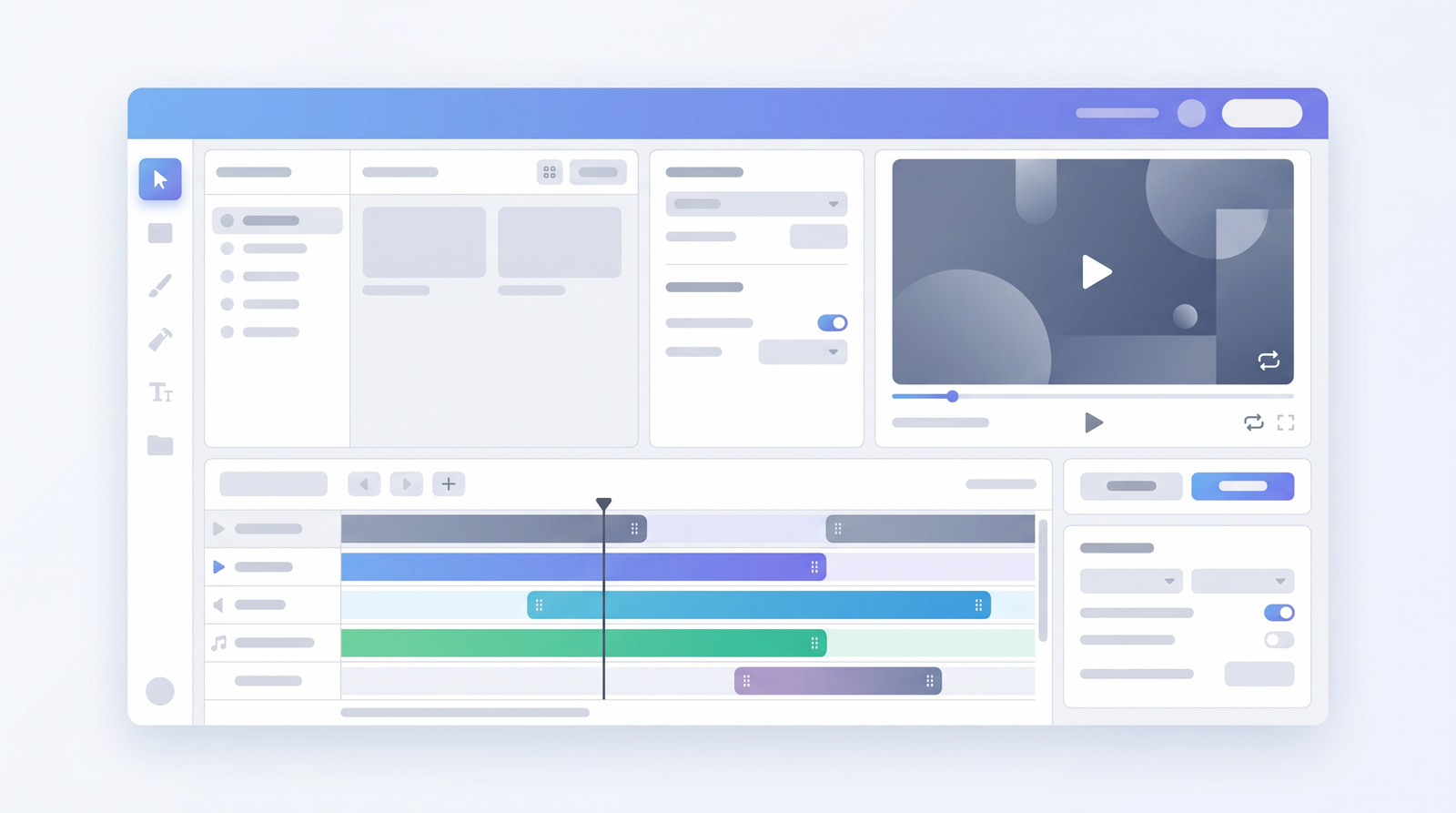
Getting started with Rask AI is designed to be straightforward, reflecting its core promise of streamlining complex tasks. From my understanding, the typical user workflow begins with a simple upload. You take your video or audio file and bring it into the Rask AI platform. Once your content is uploaded, the next step is to specify your source language and then select the target languages you want to translate and dub into. This is where you leverage its broad language support, picking from the 130+ options available.
After you've made your selections, Rask AI takes over, automating a series of processes that would traditionally require significant manual effort and multiple specialists. First, it transcribes your content. Then, using its AI engine, it translates that transcription into your chosen target languages, aiming for context-aware accuracy. Finally, it generates the dubbed audio, optionally using voice cloning if you've opted for it, and even handles lip-sync adjustments to make the new audio fit the visuals. The platform can also automatically generate and add captions, which is a nice touch for accessibility.
What this workflow effectively does is condense what used to be a multi-stage, multi-person localization project into a few clicks and an automated wait time. For agencies, in particular, this is a game-changer, as it allows them to ship localized videos in minutes or hours, rather than the weeks it might take with traditional methods. The platform's role is to remove the manual handoffs and laborious tasks associated with transcription, translation, and voiceover, making content localization at scale a much more manageable and cost-effective endeavor.
Translation & Voice Quality
This is where the rubber meets the road for any AI dubbing tool, and my research suggests a mixed bag for Rask AI. On one hand, many users, particularly on platforms like G2, praise its ease of use and generally positive translation accuracy. They often highlight how intuitive the interface is, simplifying what can be a complex process. For basic content or initial market testing, the translations can be quite effective, and the sheer speed of output is often lauded. There's a definite convenience factor that's hard to ignore, especially when you're dealing with a large volume of content.
However, when we talk about the 'human-like quality' Rask AI aims for, the feedback becomes more nuanced. I've seen recurring comments from users, and even direct comparisons with competitors, that point to the AI voices occasionally sounding 'robotic,' 'monotonic,' or 'emotionless.' While the technology is impressive, it seems to struggle at times with capturing the full emotional resonance and natural inflections that a human voice actor brings. This can be particularly noticeable with voice cloning, where, despite the feature existing in 32 languages, some users report that the cloned voices don't always perfectly preserve the original speaker's authentic identity or emotional nuance.
Furthermore, some comparisons suggest that while Rask AI offers a vast language library, this 'breadth-over-depth' approach might come at the expense of absolute quality. There are mentions of reported inaccuracies in translation and even issues with dialect mixing, which can be problematic for culturally sensitive content. So, while it's easy to use and provides quick results, you might find yourself needing to do some post-production tweaking or human review, especially for content where authenticity and precise nuance are paramount.
Pricing Structure & Usage
Understanding Rask AI's pricing model is crucial, and it appears to be a usage-based system, which is common for AI services. My research indicates that costs can range from approximately $50 to $750, depending on your needs and the volume of content you're processing. This model means you're generally paying for the minutes of video or audio you translate and dub, rather than a fixed monthly subscription that offers unlimited use. While this can seem flexible, it's also where some users have encountered unexpected frustrations.
I've seen specific complaints that highlight potential 'hidden costs' or at least a lack of clarity in how usage minutes are managed. A significant concern emerged from a Trustpilot review, where a user reported paying $300 for 200 minutes but only managed to use 4 minutes before being unable to access the remaining balance. This kind of experience points to issues with either minute expiration, unclear usage policies, or system glitches that prevent users from utilizing what they've already paid for. It's a stark reminder that while the initial price might seem appealing, the actual cost can escalate or become a point of contention if the terms aren't transparent.
For anyone considering Rask AI, I'd strongly advise a thorough understanding of their specific usage terms, especially regarding how purchased minutes are consumed and their expiration policies. While the platform offers significant value in terms of automation, these reported issues with minute management and potential loss of paid-for services are a serious consideration that could impact your overall satisfaction and budget.
| Plan Tier | Estimated Cost Range | Typical Usage/Best For |
|---|---|---|
| Starter | $50 - $150 | Individual creators, small projects, testing the platform |
| Pro | $150 - $450 | Growing content creators, businesses with moderate localization needs |
| Enterprise/Business | $450 - $750+ | Agencies, large organizations, high-volume content localization via API |
Pros & Cons
After looking closely at Rask AI, I've formed a pretty clear picture of its strengths and weaknesses. On the positive side, the platform genuinely shines in a few key areas that are incredibly valuable for anyone looking to scale their content globally. Its speed is perhaps its most impressive advantage; the ability to translate and dub a video in minutes, rather than weeks, is a significant time-saver, especially for agencies or businesses with high content output. The broad language support, covering over 130 languages, means you can genuinely reach a massive global audience without needing multiple tools or vendors.
The ease of use is another major plus. The workflow is intuitive, and getting started doesn't require a steep learning curve, which is great for busy creators or marketers. For agencies, the automation capabilities, especially with API integration, are a huge benefit, allowing them to streamline their content localization processes and deliver projects much faster. The idea of voice cloning, while sometimes imperfect, is also a compelling feature for maintaining brand consistency.
However, it's not without its drawbacks. The most significant concern for me, and for many users, revolves around quality. The AI voices, while functional, can sometimes sound 'robotic' or lack the emotional depth of human performance, which might detract from the authenticity of your content. Voice cloning, too, can be hit or miss in terms of perfectly replicating the original speaker's nuance. Then there are the pricing issues: the usage-based model, coupled with specific user complaints about paid minutes not being usable or expiring, raises questions about transparency and value for money. Finally, customer service reliability, as evidenced by some of these pricing complaints, seems to be an area that needs improvement.
- Pros:
- Exceptional speed for translation and dubbing
- Very easy to use, intuitive interface
- Extensive language support (130+ languages)
- Powerful automation and API for agencies and high volume
- Voice cloning feature (in 32 languages)
- Cons:
- Voice quality can be 'robotic' or lack emotion
- Voice cloning quality can be inconsistent
- Reported issues with translation accuracy/nuance
- Pricing model can lead to 'hidden costs' or unusable minutes
- Customer service reliability concerns
Use Cases & Ideal Users
Given its strengths and weaknesses, I see Rask AI fitting perfectly into specific niches and serving particular types of users. Primarily, it's a powerful tool for agencies that handle a high volume of video and audio content for multiple clients. The ability to automate transcription, translation, and dubbing across numerous languages allows these agencies to scale their operations dramatically, delivering localized content in a fraction of the time and cost compared to traditional methods. This efficiency makes it ideal for managing international marketing campaigns or educational content for diverse audiences.
Global businesses, especially those in e-commerce, education technology (EdTech), or high-ticket services, can also benefit immensely. If you're a company looking to expand into new markets rapidly and need to localize your marketing videos, product tutorials, or internal training materials, Rask AI provides a fast track to achieving that reach. It helps these businesses engage new audiences by presenting content in their native language, potentially increasing engagement and conversion rates.
Content creators, particularly those on platforms like YouTube who are aiming for explosive global growth (think MrBeast's strategy), are another key demographic. While some might prioritize absolute voice authenticity (which we'll discuss with alternatives), Rask AI offers a quick way to get their content out in many languages, testing new markets or broadening their existing audience. For educators, media companies, and entertainment providers, it offers an efficient way to distribute lectures, news segments, or creative content to a worldwide viewership, breaking down language barriers with relative ease and speed. Essentially, if your goal is broad reach and rapid deployment of multilingual content, Rask AI is designed for you.
Rask AI Alternatives & Comparisons
When you're evaluating a tool like Rask AI, it's always smart to see what else is out there, and the market for AI translation and dubbing is growing. One competitor that frequently comes up in discussions, and offers a stark contrast, is DittoDub. The comparison between Rask AI and DittoDub highlights a fundamental difference in philosophy: Rask AI often appears to take a 'breadth-over-depth' approach, aiming to offer a vast array of features and language support (130+ languages) to be a generalist's toolkit for all-in-one content localization. This means it can handle a wide range of tasks and content types, from marketing to education, making it a versatile option.
DittoDub, on the other hand, seems to prioritize a 'quality-first' approach, especially for niche applications like serious YouTubers. Their focus is squarely on delivering the highest-quality AI dubbing, with an emphasis on preserving the original voice and emotional resonance of the creator. They even mention human-reviewed translations to ensure cultural nuance and accuracy, which is a step beyond Rask AI's fully automated process. While Rask AI offers lip-sync, DittoDub integrates it into a seamless, quality-focused workflow, suggesting a more refined output.
This comparison brings to light a key decision point for users: do you need broad, fast, and relatively good localization across many languages, or do you need exceptionally high-quality, nuanced dubbing for brand-critical content in fewer languages? Rask AI excels at the former, making it great for high-volume, general content, or for agencies needing to scale. For content where your reputation hinges on the absolute authenticity and emotional impact of the dubbed voice, you might find alternatives that prioritize that niche quality, like DittoDub, to be a better fit. When I look at how Rask AI stacks up against its competitors, you can see how it performs on Top10k.
Customer Support & Reliability
Customer support and overall reliability are critical factors for any service, especially one you're entrusting with your content and budget. My research into Rask AI's customer experience reveals some areas of concern that potential users should be aware of. The most prominent issue I found was a specific complaint on Trustpilot, where a user detailed paying $300 for 200 minutes of service but was only able to use 4 minutes before encountering problems that prevented them from accessing the remaining paid balance. This kind of experience directly impacts trust and raises significant questions about the platform's reliability and its customer service responsiveness.
Such an incident suggests potential issues with how Rask AI manages user accounts, tracks minute usage, or handles technical glitches that prevent service delivery. More importantly, it points to a possible lack of effective customer support to resolve these issues promptly and fairly. When you've invested your money into a service, the expectation is that you'll be able to use what you've paid for, and if not, that support will be readily available to rectify the situation. A complaint like this indicates that the support system might not always be robust enough to handle user problems satisfactorily.
While I haven't seen a widespread pattern of identical complaints, this single, detailed account is enough to warrant caution. It underscores the importance of thoroughly understanding Rask AI's terms of service, especially regarding minute expiration and refund policies, and perhaps testing the platform with a smaller investment before committing to larger packages. Reliability isn't just about the technology working; it's also about the company standing behind its service and supporting its users when things go wrong.
Is Rask AI Worth It? A Verdict
So, after weighing everything, is Rask AI a worthwhile investment? My balanced conclusion is: it depends entirely on your specific needs and priorities. If your primary goal is speed and broad global reach for your video and audio content, Rask AI is an incredibly powerful tool. For agencies managing high volumes of content, or businesses looking to quickly enter numerous international markets with marketing or educational materials, its ability to automate transcription, translation, and dubbing across 130+ languages in minutes is a game-changer. It genuinely excels at breaking down language barriers at scale, offering unparalleled efficiency.
However, if your content demands absolute perfection in voice authenticity, emotional nuance, and highly accurate, culturally sensitive translations, then Rask AI might not always hit the mark without some human intervention. The reported instances of 'robotic' voices, inconsistent voice cloning, and potential translation inaccuracies mean that for brand-critical or highly sensitive content, you might find yourself needing to allocate resources for post-production editing or human review. This is where its 'breadth-over-depth' approach becomes apparent; it covers a lot of ground quickly, but sometimes at the expense of minute detail.
The pricing structure, with its usage-based model and specific complaints about unused or expiring minutes, also gives me pause. It's crucial to understand their terms thoroughly to avoid unexpected costs or loss of paid-for services. In essence, Rask AI is a fantastic tool for rapid, large-scale content localization where good enough is often sufficient, and speed is paramount. For those who prioritize nuanced, human-level quality above all else, especially for content where the speaker's personality is key, you might need to manage your expectations or explore alternatives that specialize in that specific area. It's a powerful enabler for global content, but like any AI tool, it has its limitations.
Full profile and live ranking: https://top10k.com/ai/rask-ai
Published by

Meet Top10k Tools — a suite of online utilities offering a growing library of browser-based utilities built to boost productivity.
It spans a broad mix of SEO tools, converters, dev utilities, and image editors. All tools are free and browser-based, making them quick to access anywhere.
Our mission is reaching 10,000 useful web tools for work, study, and daily life.
If your work happens online, you'll find utilities that save time. Give it a try.
Frequently asked questions
What is Rask AI primarily used for?
Rask AI is primarily used for the automated translation, dubbing, and localization of video and audio content. It helps creators and businesses quickly transform their content into over 130 languages to reach a global audience.
Does Rask AI offer a free plan or trial?
While the research mentions 'Try it free, no credit card required,' it implies a trial or early access to features like the AI screen recorder. It's best to check their official website for the most current free trial or plan offerings.
How accurate are Rask AI's translations and voice quality?
User feedback is mixed. Many praise its ease of use and general translation accuracy for broad content. However, some users report that the AI voices can sound 'robotic' or 'emotionless,' and voice cloning quality can be inconsistent, occasionally lacking the original speaker's emotional nuance.
What is Rask AI's pricing model?
Rask AI uses a usage-based pricing model, meaning you pay for the minutes of content you process. Costs can range from approximately $50 to $750, depending on your volume. There have been user complaints about minutes expiring or becoming unusable, so understanding their terms is important.
Are there any known issues with Rask AI's customer support?
Yes, there have been reports, such as a Trustpilot complaint, where a user paid for minutes but was unable to use the majority of them, indicating potential issues with service reliability or customer support in resolving such problems.
How does Rask AI compare to alternatives like DittoDub?
Rask AI takes a 'breadth-over-depth' approach, offering extensive language support and features for general content localization at speed. DittoDub, conversely, focuses on 'quality-first' AI dubbing, prioritizing emotional resonance and accuracy, especially for content creators where voice authenticity is paramount.
Is Rask AI suitable for high-volume content creators or agencies?
Absolutely. Rask AI's speed, automation capabilities, API integration, and broad language support make it particularly well-suited for agencies and high-volume content creators who need to localize a large amount of video and audio content quickly and efficiently.
Is Rask AI worth the investment?
Rask AI is a worthwhile investment if your priority is rapid, large-scale content localization across many languages, where speed and broad reach are more critical than absolute human-level vocal nuance. If top-tier voice authenticity and meticulous translation accuracy are your primary concerns, you might need to manage expectations or consider alternatives.